
Choosing a reliable screen protector factory in China is only the first step. Before placing a bulk order, buyers should verify whether the manufacturer can consistently meet the required product specifications, quality standards, production capacity and inspection requirements.
A factory audit does not always require an on-site visit. For many international buyers, production photos, testing equipment, inspection records, product samples and shipment evidence can provide valuable information before mass production.
At Aifeng, we believe that factory capability should be demonstrated through actual manufacturing and quality-control processes—not only through a supplier profile or sales presentation.
This guide explains 12 practical checks for auditing a screen protector factory in China before a bulk order.
1. Verify That the Supplier Is an Actual Manufacturer
The first step is to confirm whether you are dealing directly with a manufacturer or primarily with a trading company.
A genuine screen protector factory should be able to provide evidence such as:
- Production equipment and manufacturing areas
- Quality inspection and testing equipment
- Production workflow information
- Product inspection records
- Sample development capability
- Factory location and manufacturing facilities
- Evidence of previous production and shipment
For buyers looking for broader criteria when evaluating suppliers, see our guide to choosing a reliable OEM screen protector manufacturer.
At Aifeng, our manufacturing facility covers 2,200 m², with dedicated production and quality-control areas for screen protection products.
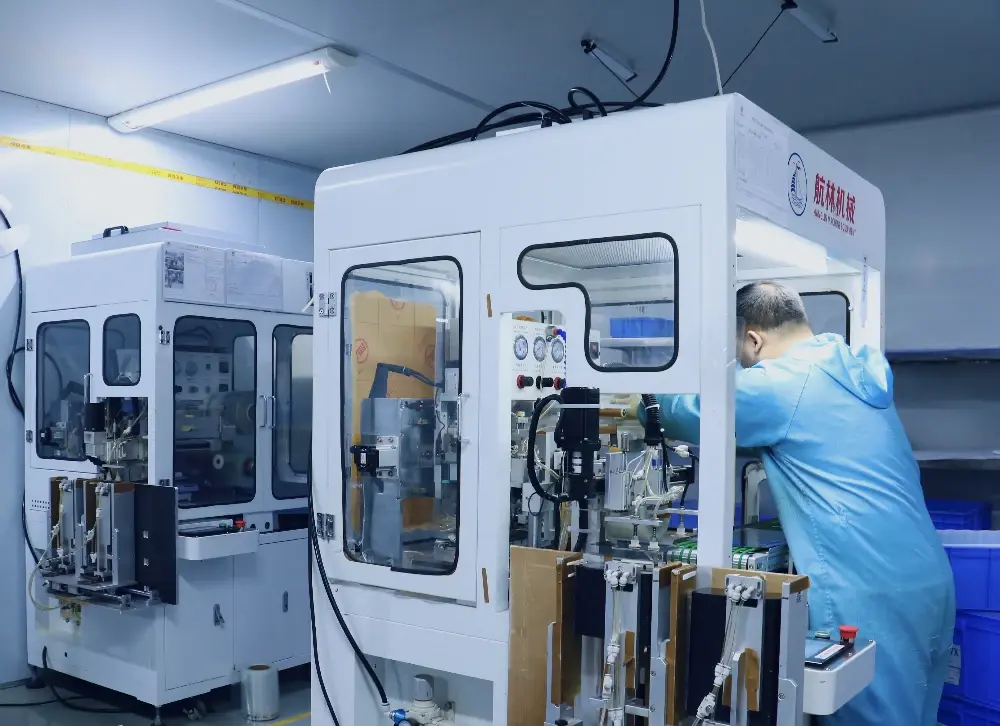
2. Check the Factory’s Production Capacity
Production capacity should be evaluated against your actual purchasing requirements rather than only the number shown on a supplier website.
During a screen protector factory audit, ask:
- What is the normal monthly output?
- What equipment is used for production?
- Can the factory support repeat orders?
- How is production capacity managed during peak periods?
- Can the factory handle customized specifications?
Aifeng currently has a production capacity of 1.5M+ units per month, supporting OEM and ODM orders for international customers.
However, production capacity should not be evaluated independently. A factory may have high theoretical output but insufficient quality-control capability. Production capacity and QC capability should therefore be reviewed together.
3. Review the Cleanroom and Production Environment
For screen protection products, the production environment can affect surface cleanliness, optical quality and manufacturing consistency.
During an audit, buyers can check:
- Cleanroom classification
- Production environment
- Material handling
- Worker procedures
- Production-area organization
Aifeng’s applicable manufacturing processes operate within a Class 100,000 / ISO 8 cleanroom environment.
If a supplier provides a cleanroom classification, buyers should also consider whether the stated environment is relevant to the specific products being manufactured.
4. Verify Raw Material Specifications
The finished screen protector is only as reliable as the materials used to manufacture it.
Depending on the product, buyers may need to verify:
- Glass or acrylic substrate
- PET film
- Adhesive layer
- Surface coating
- Hardness
- Thickness
- Light transmission
- Haze
- Surface treatment
- Dimensional tolerance
The exact requirements should be defined in the approved product specification rather than relying on general marketing terms such as “premium” or “high quality.”
For example, a buyer sourcing a mobile phone screen protector may have very different material requirements from a buyer sourcing an acrylic TV screen protection panel.
5. Check Dimensional Accuracy
For customized screen protection products, dimensional accuracy is particularly important.
During a screen protector factory inspection, buyers can check how the manufacturer verifies:
- Overall length and width
- Thickness
- Corner radius
- Hole or cutout dimensions
- Edge dimensions
- Product flatness
- Alignment with the target display
The inspection method should be appropriate for the product and its tolerance requirements.
For OEM production, the approved drawing or sample should become the reference for mass-production inspection.
6. Verify Optical and Surface Performance
A screen protector is not simply a physical protection layer. Its optical and surface properties can directly affect the user’s viewing experience.
Depending on the product, buyers may need to evaluate:
- Transparency
- Haze
- Reflection
- Anti-glare performance
- Surface smoothness
- Coating consistency
- Fingerprint resistance
- Edge appearance
During an audit, do not only ask whether the factory has testing equipment. Ask what is actually measured, how it is measured, and whether the results are recorded.
At Aifeng, dedicated inspection and testing equipment is used within the quality-control area for relevant product characteristics.

7. Check Product-Specific Durability Tests
Different screen protection products require different quality checks.
For example, a tempered glass screen protector may require evaluation of:
- Surface hardness
- Impact resistance
- Edge quality
- Adhesion
- Breakage behavior
An acrylic TV screen protection panel may require different checks related to:
- Panel thickness
- Surface scratches
- Transparency
- Flatness
- Edge finishing
- Mounting dimensions
A laptop privacy filter may require checks related to:
- Privacy performance
- Fit
- Surface quality
- Mounting mechanism
- Removability
For buyers evaluating specific product categories, see our 9H high-definition tempered glass screen protector, acrylic TV screen protector, and removable laptop privacy screen filter product pages.
The important point is that QC requirements should follow the product’s intended application rather than using one generic inspection standard for every product.
8. Review the Factory’s QC Process
A reliable audit should examine the entire quality-control process rather than relying only on final inspection.
A practical QC structure may include:
Incoming material inspection → In-process inspection → Product testing → Final inspection → Shipment
This is where actual factory records become much more valuable than a simple statement such as “we have strict QC.”
A strong screen protector quality control process should be connected to defined product specifications and inspection criteria.
9. Compare the Approved Sample With Mass Production
One of the most important checks before a bulk order is confirming that mass production follows the approved sample.
Compare:
- Dimensions
- Thickness
- Appearance
- Surface finish
- Color or tint
- Packaging
- Accessories
- Mounting method
- Functional specifications
The approved sample should not simply be treated as a demonstration piece. It should become a reference for production and inspection.
For customized OEM projects, buyers should maintain a clear record of the approved version, including drawings, specifications and sample approval.
This is particularly important when working with a screen protector factory in China on repeat or customized production.
10. Verify OEM/ODM Capability
If you are ordering under your own brand, a factory audit should also cover customization capability.
Check whether the manufacturer can support:
- Custom dimensions
- Product specifications
- Logo or branding
- Packaging
- Product labels
- Customized accessories
- CAD-based development
- Sample approval
- Repeat production
However, OEM capability should be evaluated together with manufacturing and QC capability.
A supplier that can customize packaging but cannot maintain consistent product dimensions is not solving the main production risk.
For B2B buyers, the key question is not simply whether a factory offers OEM/ODM services, but whether its manufacturing system can maintain the approved specifications during mass production.
11. Check Production and Inspection Records
Documentation is one of the most useful forms of evidence during a remote factory audit.
Depending on confidentiality requirements, buyers can request appropriately redacted examples of:
- Production records
- Inspection forms
- Testing records
- Final inspection reports
- Shipment inspection records
Sensitive information such as customer names, order numbers, pricing and contact details can be removed.
At Aifeng, production and quality-control records are part of the manufacturing process used to monitor bulk production.
The purpose of reviewing records is not simply to see a completed form. Buyers should check whether the recorded inspection items correspond to the actual specifications and quality requirements of the order.
12. Verify Final Inspection Before Shipment
Before shipment, buyers should confirm that the finished products have passed the agreed final inspection requirements.
A final shipment check may include:
- Product quantity
- Dimensions
- Appearance
- Surface condition
- Packaging
- Labels
- Accessories
- Carton condition
- Inspection results
Shipment photos can also provide useful visual evidence of the actual production and packing process.
For larger or repeat orders, buyers may also establish their own pre-shipment inspection checklist or appoint a third-party inspection company.
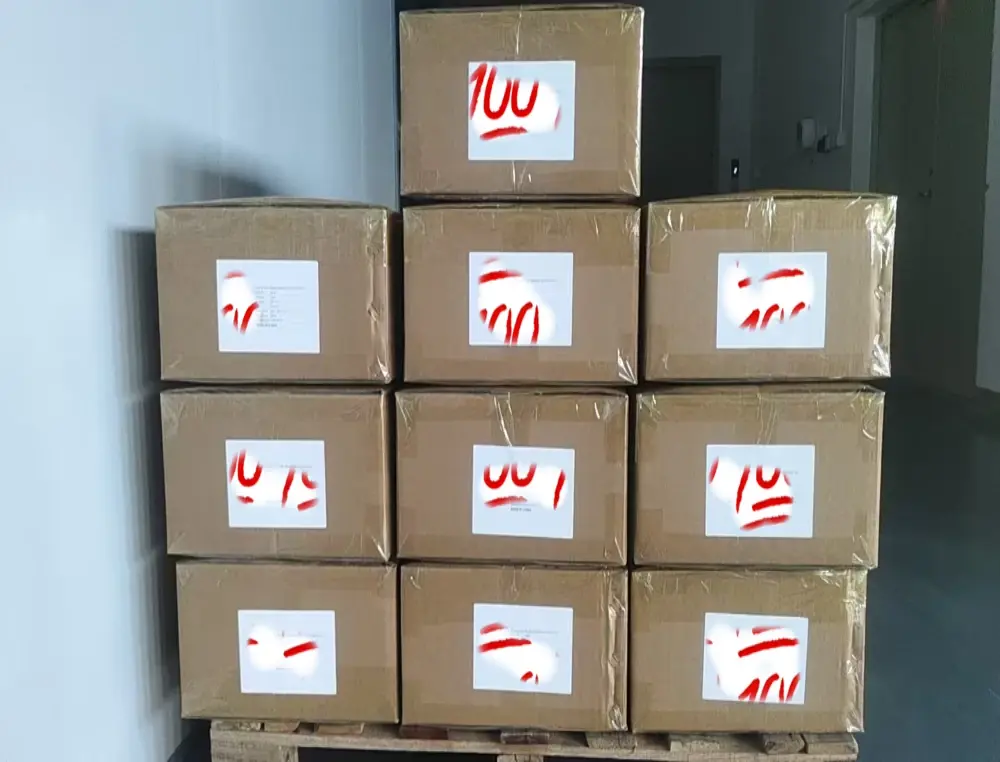
How Aifeng Verifies Screen Protector Quality
At Aifeng, our approach to quality control follows the actual production process rather than relying only on final product inspection.
Our manufacturing and QC workflow includes:
1. Production
Products are manufactured within our 2,200 m² production facility.
2. In-process inspection
Production and product parameters are checked during manufacturing according to the applicable product requirements.
3. Product testing
Dedicated testing and inspection equipment is used for relevant product characteristics.
4. Final inspection
Finished products are checked before shipment, with inspection records maintained for production control.
5. Shipment
Products are packed and prepared for international delivery after the required inspection process.
For a detailed explanation of our manufacturing capabilities and production processes, see our screen protector manufacturing facility and production process.
FAQ
How do I audit a screen protector factory in China?
To audit a screen protector factory in China, buyers should verify the factory’s production facilities, manufacturing capacity, raw materials, dimensional controls, product testing, QC records, approved samples and final shipment inspection.
A remote audit can begin with factory photos, production information, testing evidence and inspection records. For larger or customized orders, an on-site or third-party inspection may provide additional verification.
Should I audit the factory before ordering samples?
For a small sample order, a full factory audit may not always be necessary. However, for customized products or larger B2B orders, verifying the manufacturer’s capabilities before mass production can help reduce procurement risk.
What is the difference between a screen protector factory and a trading company?
A factory directly controls at least part of the manufacturing process and should be able to provide evidence of production facilities, equipment, QC processes and manufacturing records.
A trading company may coordinate production through third-party factories. This does not automatically determine product quality, but it can make it more important for buyers to understand who actually manufactures the products.
Can Aifeng support OEM and ODM screen protector projects?
Yes. Aifeng supports OEM and ODM screen protection projects, including customized product specifications and production requirements.
Our capabilities cover mobile screen protectors, acrylic TV screen protection panels, computer privacy screens and laptop privacy filters. Specific customization and production requirements depend on the product and project.
Need to Audit a Screen Protector Factory Before Your Bulk Order?
Choosing a manufacturer is only the beginning. Before committing to a large order, verify the factory’s production capability, QC process, product specifications and final inspection procedures.
If you are sourcing mobile screen protectors, acrylic TV screen protection panels, computer privacy screens or laptop privacy filters, send us your product specifications, drawings or current sample requirements.
Contact Aifeng to discuss your project and request relevant factory or product information.

